Why It's Time to Say No to Single Use Plastic?
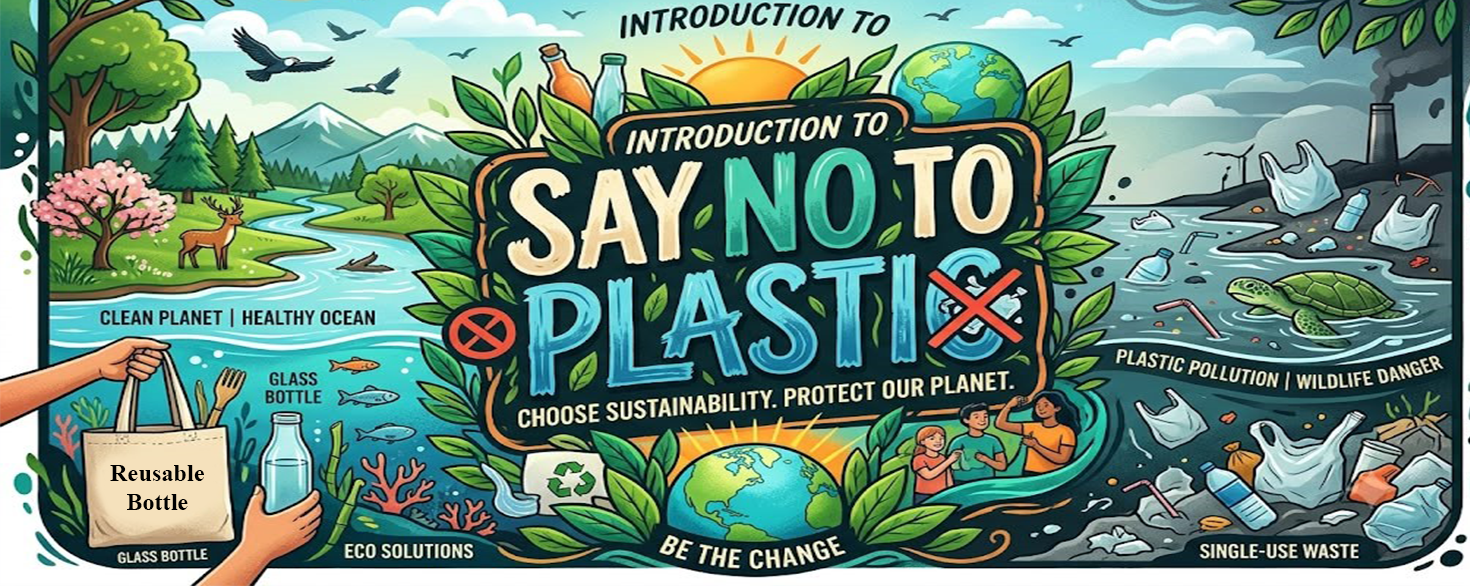
Take a look around. From the bags we carry our groceries in to the bottles we drink from, plastic has woven itself into almost every corner of our daily lives. It’s convenient, lightweight, and seemingly indestructible. But that very indestructibility is becoming our planet's biggest nightmare.
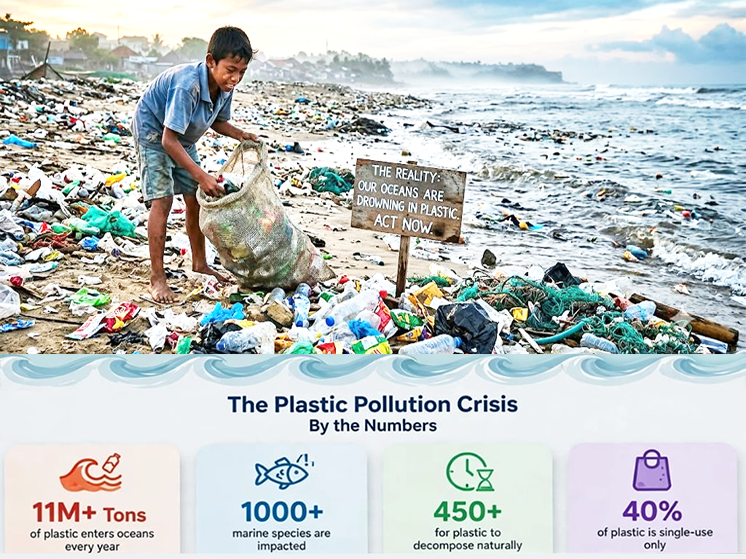
very year, millions of tons of plastic waste end up clogging our oceans, choking wildlife, and breaking down into microscopic particles that find their way back into our food, water, and even our bodies. The reality is simple: we cannot recycle our way out of this crisis
Saying no to plastic isn't just about giving up a habit; it’s about choosing a cleaner, healthier future for our planet. Ready to find out how small changes in your daily routine can make a massive impact? Let’s dive in.
Convenience and Low Cost:
Plastic is cheap to manufacture, lightweight, and easy to use for daily packaging is in High Demand for Single-Use Items. Mass production of carry bags, water bottles, straws, and food wrappers drives constant consumption.
Lack of Awareness:
Many people do not realize that non-biodegradable plastic stays in the environment for hundreds of years.Poor Waste Management:
Inadequate recycling systems and improper disposal cause plastic trash to pile up in open areas.Slow Policy Enforcement:
Delayed bans on single-use plastics allow industries to continue producing them freely.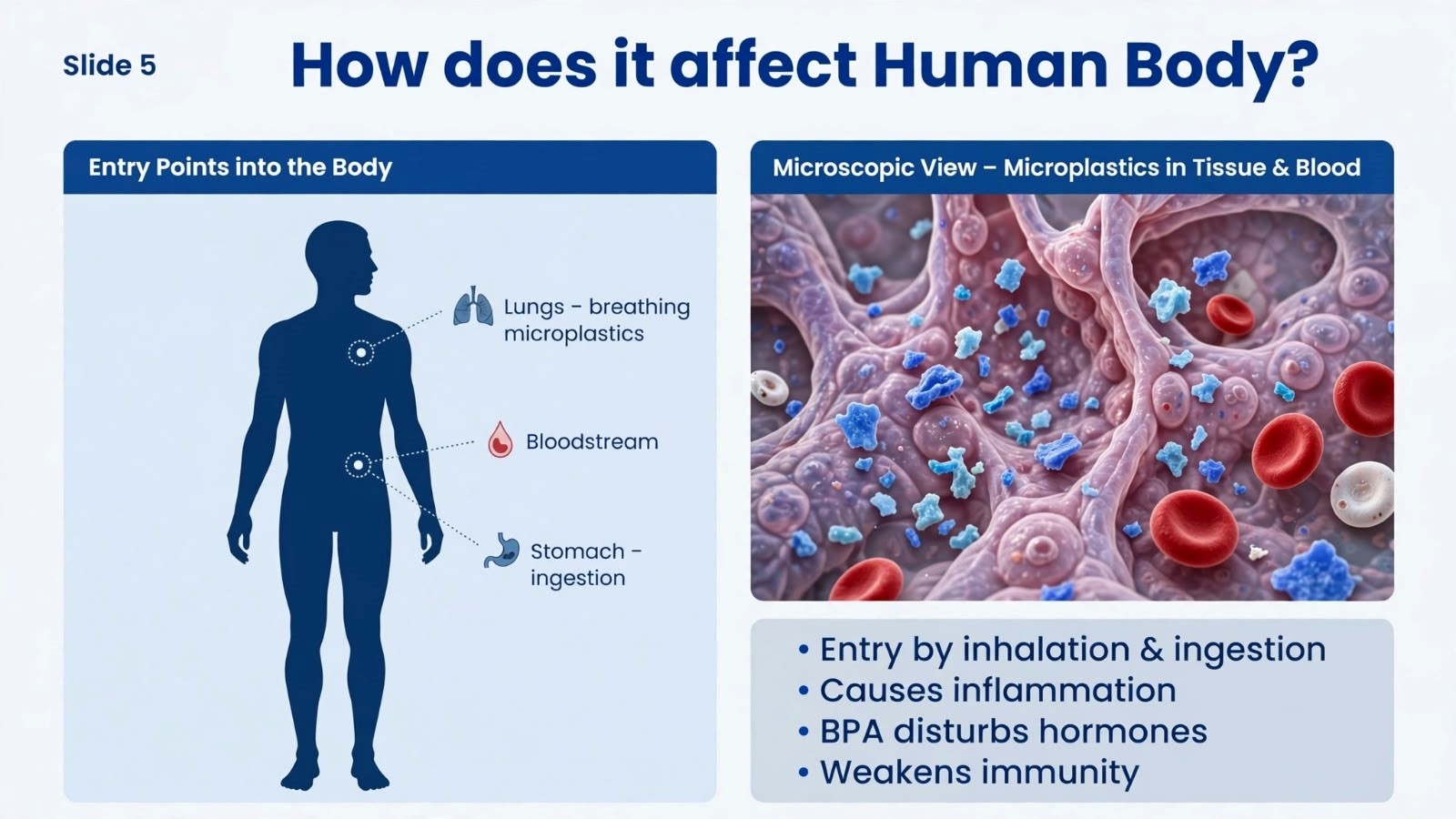
What are the effects of uses of plastics?
Severe Land and Water Pollution: Discarded plastic clogs drains, pollutes rivers, and chokes oceans. Harm to Wildlife: Thousands of marine animals and birds die each year after eating or getting tangled in plastic waste.
Soil Fertility Loss:
Plastic trapped underground stops water from seeping into the soil and ruins agricultural land.Toxic Air Pollution:
Burning plastic releases dangerous, cancer-causing chemicals into the atmosphere.Food Chain Contamination:
Tiny plastic particles (microplastics) enter seafood, drinking water, and human bodies.Shift to Eco-Friendly Alternatives:
The "Say No to Plastic" call promotes safe replacements like cloth, jute, and paper bags. How can we protect earth from harm caused by single use plastic ? We must be mindful of what we consume, choosing reusable items over disposable plastics.• Keep our surroundings clean by disposing of waste correctly and encouraging recycling.
•Educate others on the dangers of plastic pollution to our oceans and wildlife.
• Support eco-friendly alternatives made from jute, cloth, bamboo, and metal.
By changing our habits, we choose a cleaner, sustainable future for generations to come."Protech Marine Life
Marine animals can mistake plastic waste for food or become entangledin it. Reducing plastic waste helps protech aquatic.
Keep Our Environment Clean
Plastic litter pollutes land and water and can persist in the environment for a long time.
Choose Sustainable Alternatives
Reusable bags, refillables bottles, and durable container help reduce our dependence on single use of plastic.
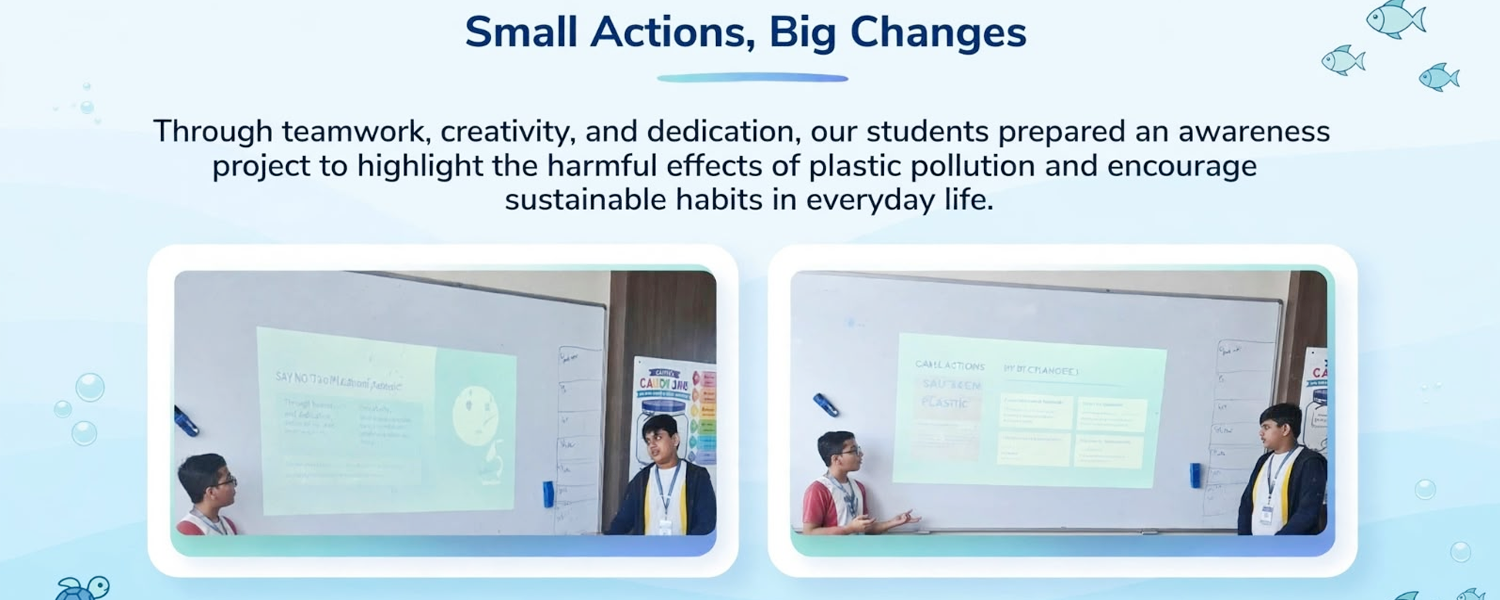

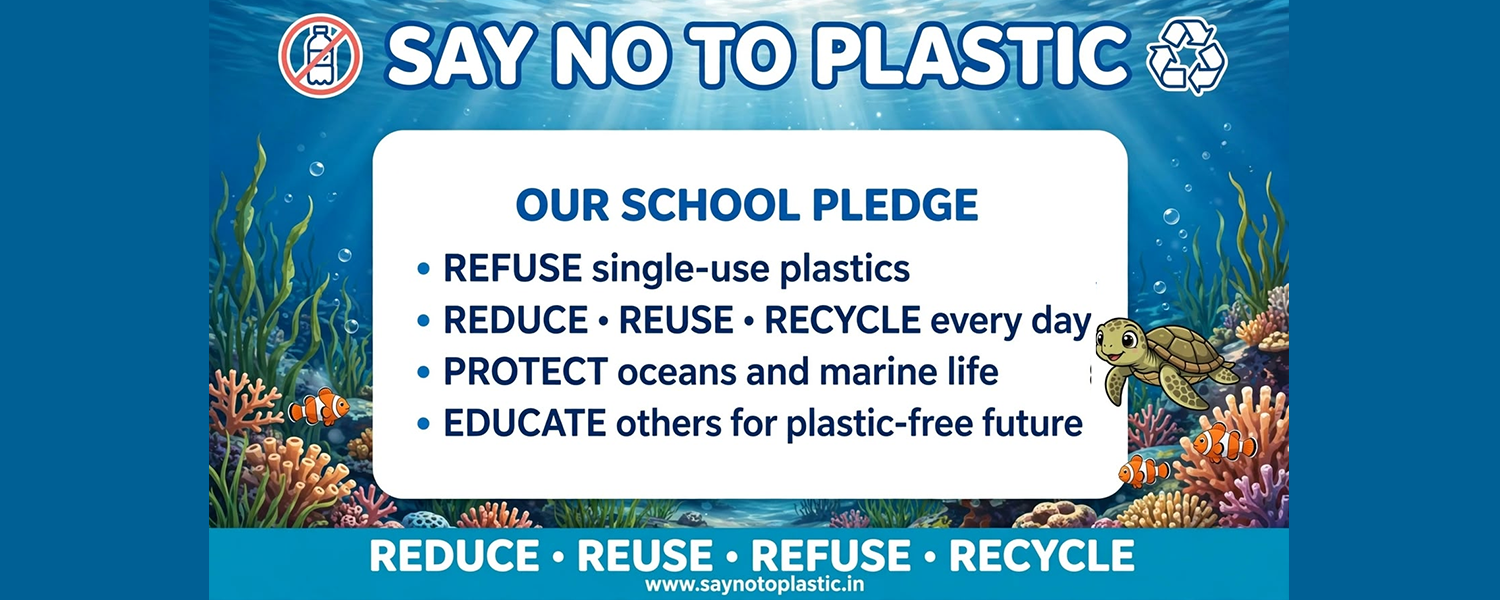
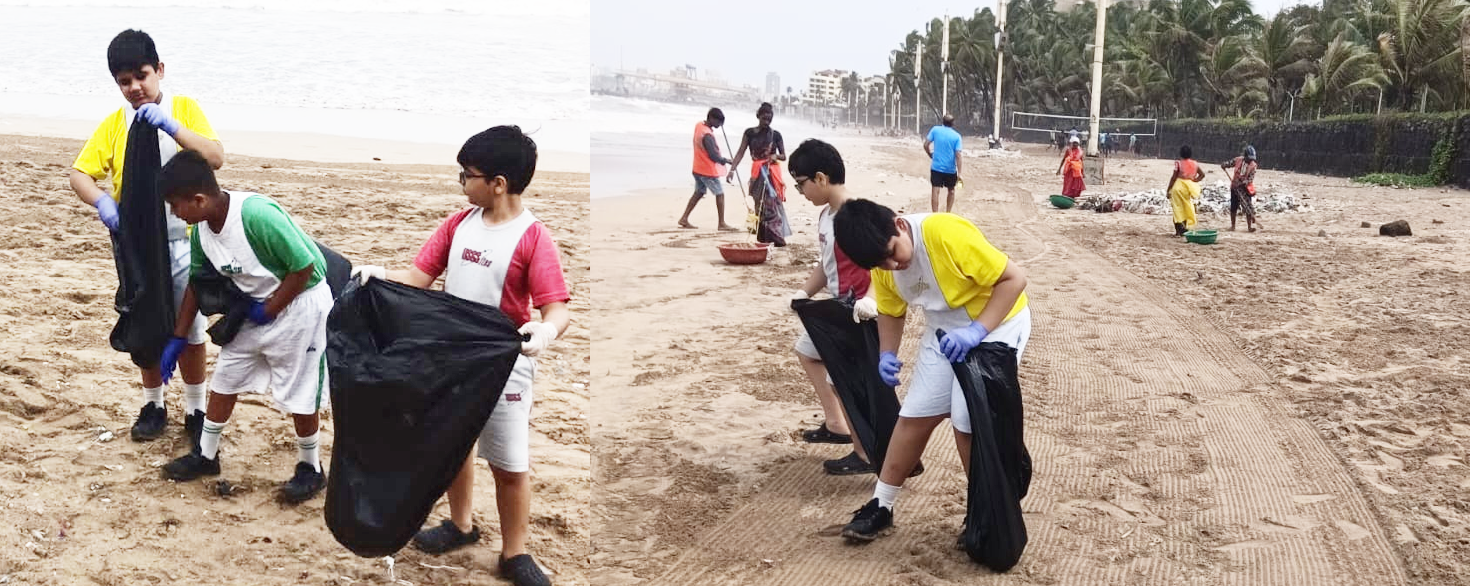
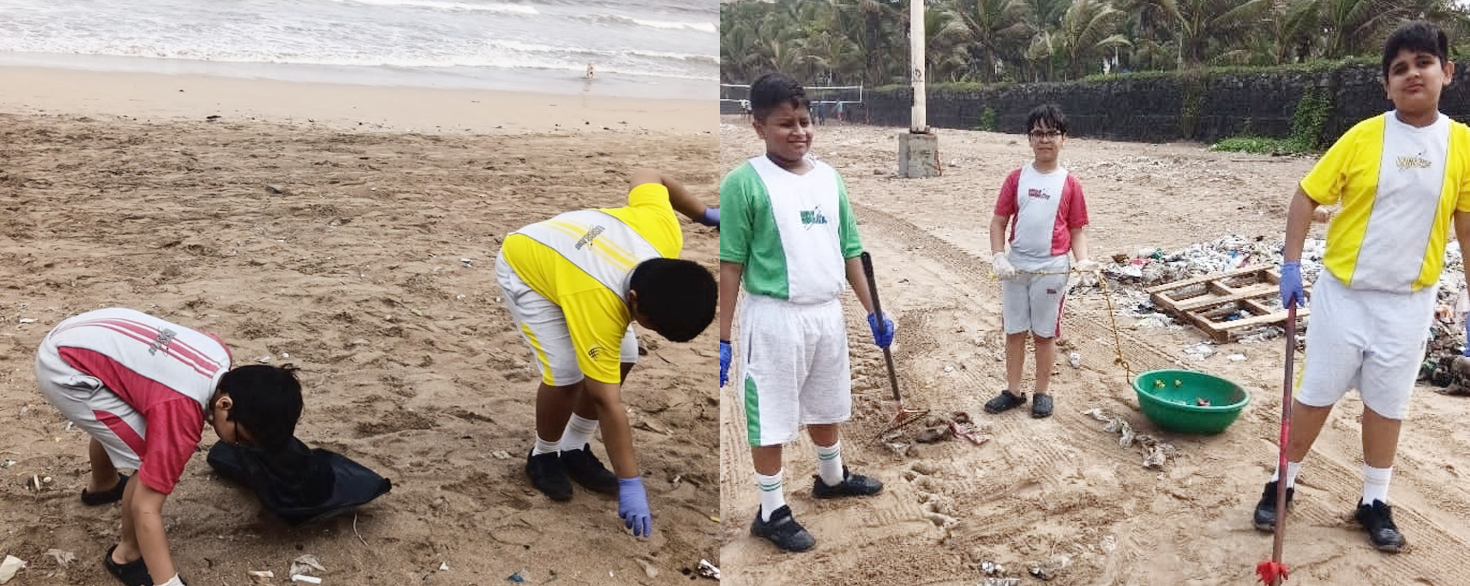
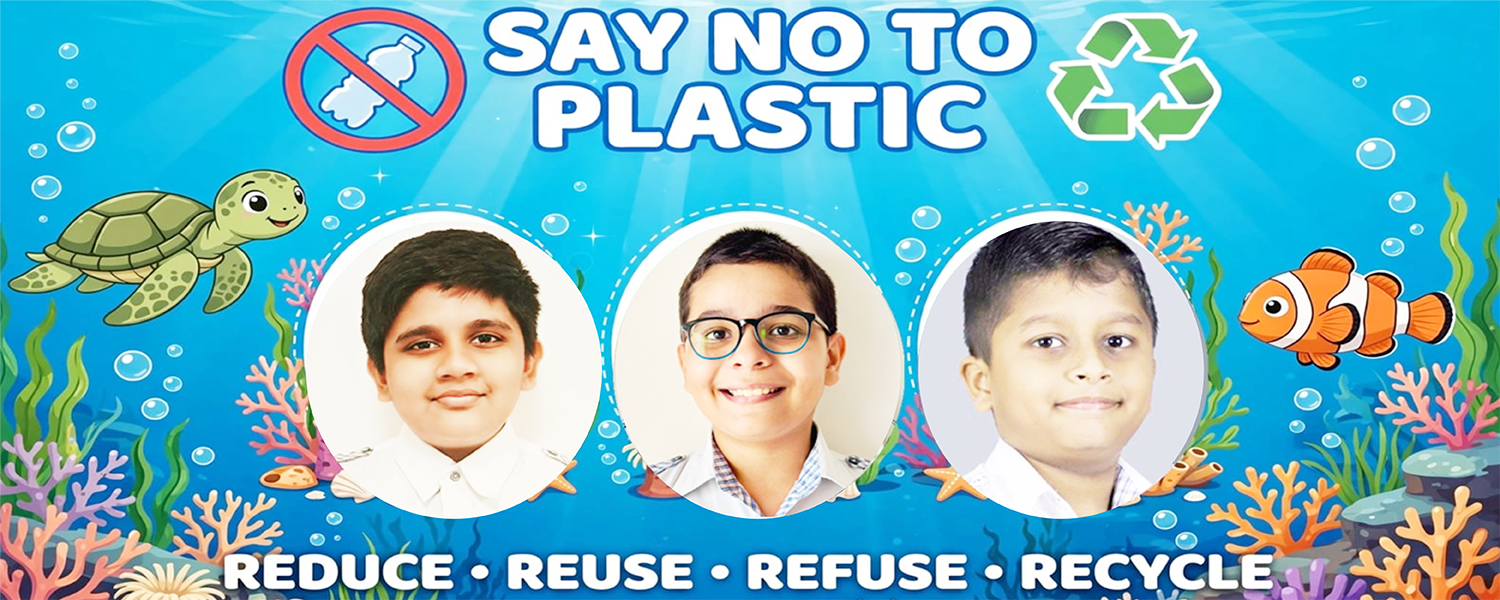
Our young environmental champions spread an important message: refuse single-use plastics, protect our planet, and inspire everyone to make eco-friendly choices for a cleaner, greener future.
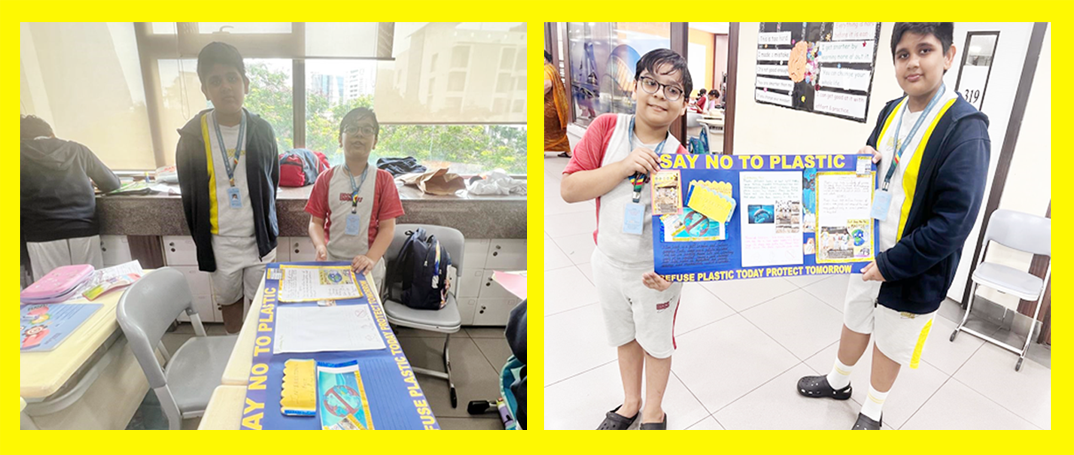

• We explored the harmful effects of plastic pollution and learned about microplastics through presentations and research.
• We created an awareness poster and solved an environmental crossword to make learning fun and meaningful.
• Together, we pledged to Say No to Plastic, Protect Tomorrow, and Keep Our Planet Clean and Green!
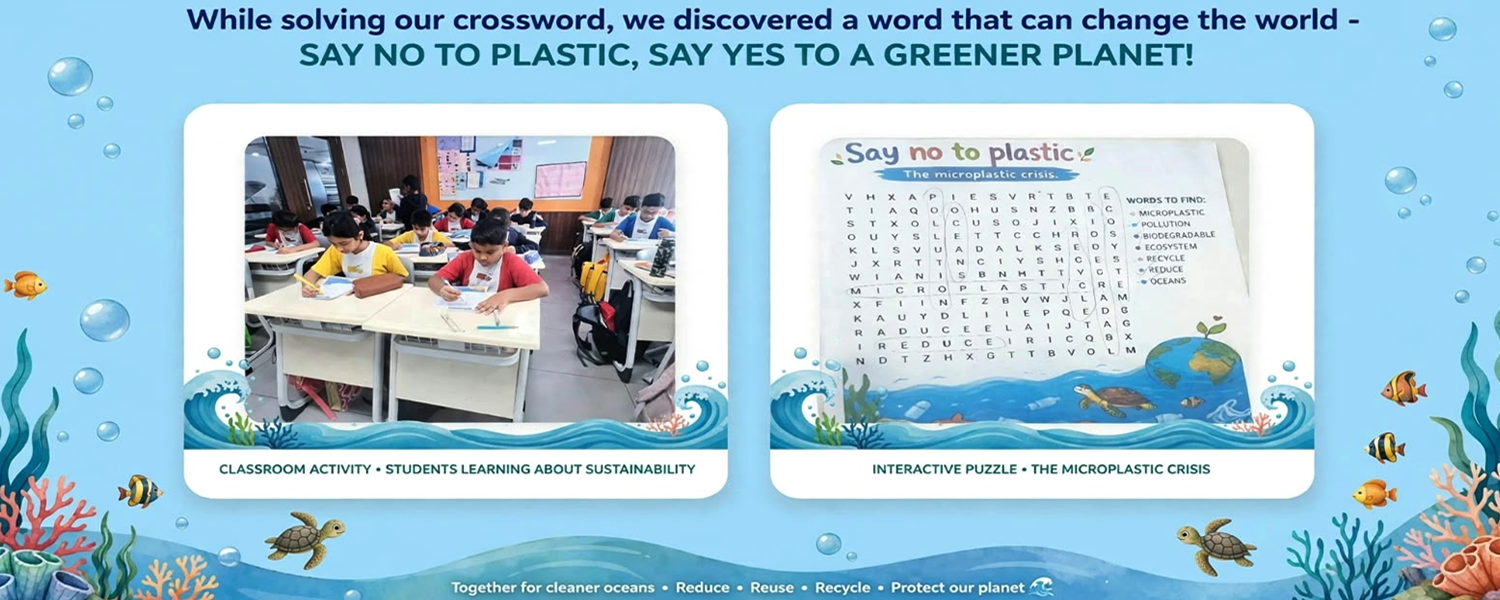
As part of our “Say No to Plastics” initiative, we also participated in an engaging crossword activity based on plastic pollution, recycling, and environmental protection. This fun and educational challenge helped us strengthen our knowledge, develop problem-solving skills, and discover simple ways to protect our planet. Every word we learned brought us one step closer to a greener future!
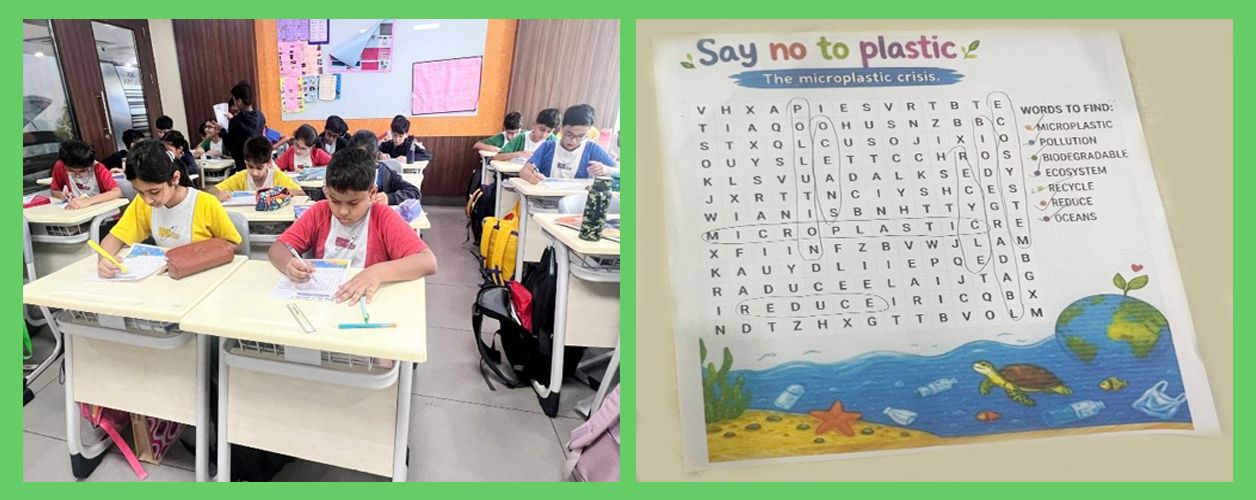
While solving our crossword, we discovered a word that can change the world SAY NO TO PLASTIC, SAY YES TO A GREENER PLANET!”


"Microplastics Found in Human Heart" Dr Amit Singh, Cardiologist at Kokilaben Dhirubhai Ambani Hospital Warns USGS Students